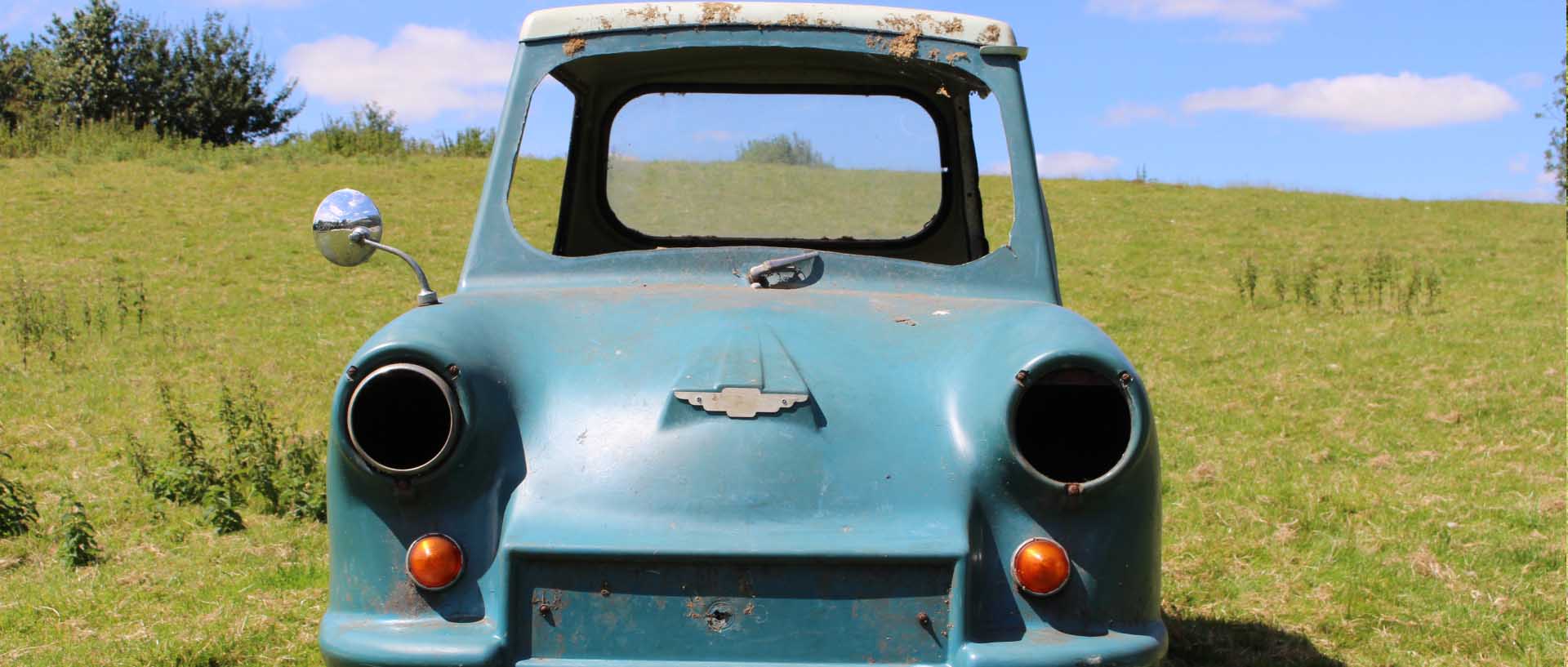
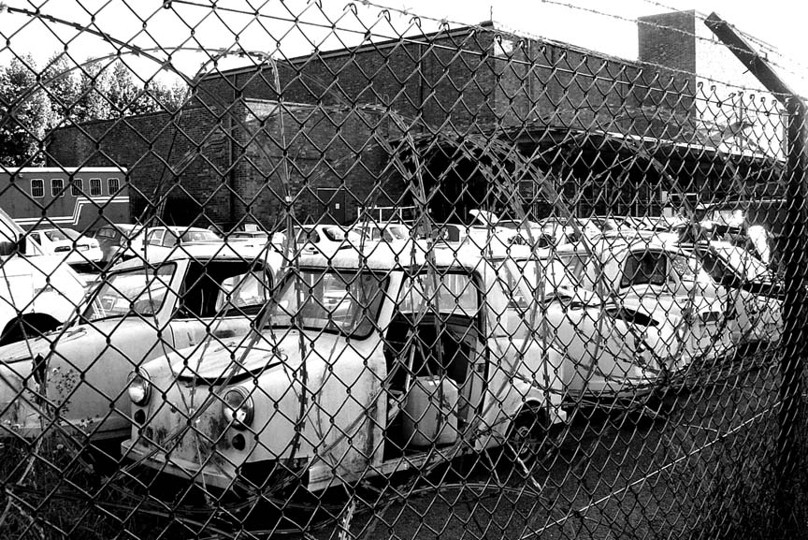
Disability Art Culture & History has grown from a small volunteer-led charity into an important point of reference for overlooked disability heritage, especially through its long-term support for the Invalid Carriage Register. Over the years DACH has helped maintain and develop the Register’s work recording surviving invalid carriages, advising private owners, museums and researchers, and protecting vehicles, photographs, manuals, ephemera and personal stories that might otherwise be lost, dispersed or exported.
This work builds on the Invalid Carriage Register’s specialist role, established in 1995, as the only national or international body dedicated to documenting British invalid carriages, Invacars and related mobility vehicles. DACH and its volunteers have supported public engagement through exhibitions, supported by the National Heritage Lottery Fund, talks, media work, vehicle displays, volunteer activity, research, and the development of accessible interpretation around disabled people’s mobility history.
The charity’s work has also drawn on support and research links with organisations including The National Archives, and Outside Centre alongside contact with museums, archives, broadcasters, universities including Teesside University, the University of Leeds and the University of Hildesheim and the historic vehicle sector. DACH has assisted with exhibition planning, digital and video ideas, volunteer research, museum advice, and publication work, including wider disability mobility history such as the mobility scooter book.
More recently, DACH/ICR secured a small Preston Park Museum and National Heritage Lottery Fund-linked support for the movement, assessment and safeguarding of two invalid carriage vehicles. Through all this activity, DACH has remained committed to a clear public benefit purpose: preserving disabled people’s material culture, supporting responsible stewardship of rare heritage, and ensuring that disabled people’s lives, stories and technologies are recognised as part of national history.